Focus: R-Value (Insulation), security access, and freeze/thaw cycles.
In New York, the garage is often the coldest room in the house and a primary target for break-ins. Whether you own a brownstone in Queens with an alley entrance or a detached suburban home in Westchester, your garage door faces a dual threat: nor’easter winters and urban security risks.
New York architecture presents unique challenges that don’t exist in other markets. Many garages in the Five Boroughs and Long Island were built 50+ years ago, often with outdated extension spring systems that are now considered safety hazards. Additionally, with some of the highest energy costs in the country, a poorly insulated garage door is a hole in your wallet every winter.
This guide covers how our network of local technicians modernizes aging NY infrastructure to keep homes safe, warm, and secure.
New York isn’t just one type of housing. A garage in Brooklyn requires a completely different service approach than one in Nassau County. Service approaches are divided by building type and location.
| Region / Home Type | Primary Risk | Common Symptoms | The “NY Fix” |
|---|---|---|---|
|
NYC Boroughs (Queens / Brooklyn) |
Security & Clearance |
Forced entry attempts; doors getting stuck in low-headroom basements or alleys. |
Solution: Installation of deadbolt-style automatic locks and low-headroom track conversion kits. |
|
Westchester & Long Island |
Energy Loss |
Drafts freezing rooms above the garage; high heating bills from non-insulated metal doors. |
Solution: High R-value (R-16+) polyurethane insulated doors to seal the thermal envelope. |
|
Historic / Pre-War Homes |
Dangerous Hardware |
Extension springs without safety cables; unstable wooden doors. |
Solution: Safety conversion from extension springs to a modern torsion spring system. |
If your home was built before 1990, you likely have extension springs that stretch along the horizontal tracks.
In the metro area, a garage door opener is a security device first and a convenience device second.
New York winters are wet and slushy. A failed bottom seal invites freezing water and rodents.
With New York’s high energy prices, insulation is a financial decision, not just a comfort upgrade.
Pricing reflects higher labor costs and the complexity of older structures.
| Service | Estimated Cost | Notes |
|---|---|---|
|
Service Call / Diagnostic |
$85 – $150 |
Higher rates in Manhattan and dense boroughs. |
|
Extension to Torsion Conversion |
$450 – $800 |
Includes new springs, bar, and drums. |
|
Torsion Spring Replacement |
$300 – $600 |
Heavy wooden doors increase cost. |
|
Security Opener Install (with Camera) |
$600 – $1,100 |
Includes removal of old unit and setup. |
|
Cable Repair |
$175 – $350 |
Often rusted from road salt. |
|
Weather Seal & Rodent Block |
$150 – $300 |
Includes aluminum retainer replacement if needed. |
|
New Insulated Door (R-16) |
$2,200 – $4,500 |
Varies by style and customization. |
Many New York homes still have extremely heavy, custom wooden garage doors.
Q: My garage has low ceilings. Can I still install an opener?
Yes. Low-headroom kits and wall-mounted jackshaft openers solve this common NY issue.
Q: Why does my opener work intermittently?
Radio interference in dense urban areas can disrupt older openers. Modern multi-frequency units fix this.
Q: Do I need an insulated door for a detached garage?
Yes for durability and security. Insulated doors are stronger and harder to breach.
Secure Your Home Today. From the Hamptons to the Hudson Valley, protect your largest entry point with help from local experts.
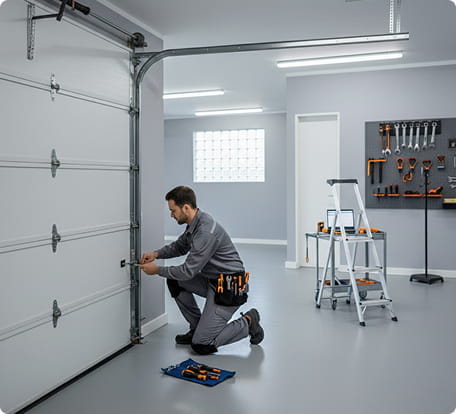
Connect with highly-rated local professionals for rapid service that ensures your system's longevity. Receive complimentary price quotes from trusted garage door providers in your neighborhood. Connect with highly-rated local professionals for rapid service that ensures your system's longevity. Receive complimentary price quotes from trusted garage door providers in your neighborhood.