Focus: Costs, safety warnings (The “Red Cord” mistake), and High-Cycle upgrades.
The garage door spring is the unsung hero of your home. While the opener motor gets all the credit, it is actually the spring that does the heavy lifting, counterbalancing the 200–500 pound weight of the door.
When a spring breaks, your door instantly becomes “dead weight.” The opener cannot lift it, and you are effectively trapped. Understanding how these powerful components work—and why they break—is key to making the right repair decisions.
There are two main spring systems used in residential homes. Knowing which one you have will help you get an accurate quote over the phone.
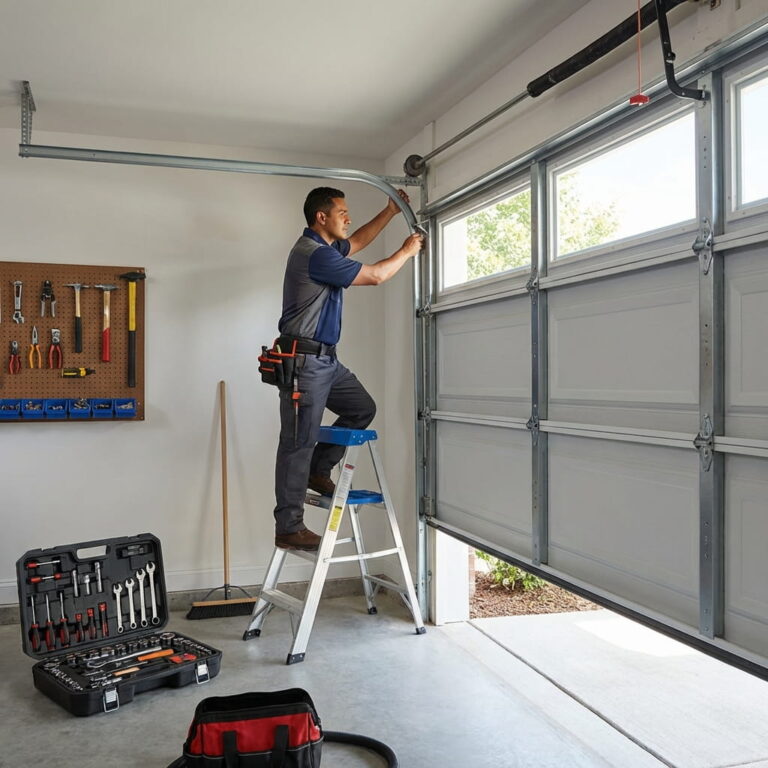
These are located on a metal shaft directly above the door header (the wall above the door).
These are found on older doors or garages with low ceilings. They run parallel to the horizontal tracks on the ceiling and stretch out like a rubber band as the door closes.
Most homeowners don’t realize there is a problem until they hear a loud “BANG” (like a gunshot) from the garage. However, there are often subtle warning signs:
Pricing varies by region, but here are the national averages for professional replacement (Parts + Labor).
Service Type Average Cost Notes
Extension Spring Repair $150 – $300 Includes 2 springs + safety cables
Torsion Spring Repair $200 – $400 Includes 1 or 2 springs + labor
High-Cycle Upgrade +$50 – $100 Worth it for “front door” garages
Double Door (2-Car) $350 – $550 Requires heavier, dual springs
4. Why You Should Always Replace BOTH Springs
If you have a two-car garage with two springs, and only one breaks, you might be tempted to save money by replacing just the broken one. Do not do this.
Not all springs are created equal. When booking your repair, ask for “High-Cycle” springs.
This is the most critical safety warning for homeowners. If your spring is broken, DO NOT pull the red emergency release cord while the door is open.
Q: Can I replace the spring myself (DIY)? A: No. Torsion springs are wound under extreme tension. One slip of a winding bar can result in a broken hand, facial injuries, or worse. It is widely considered the most dangerous home repair to attempt without professional training.
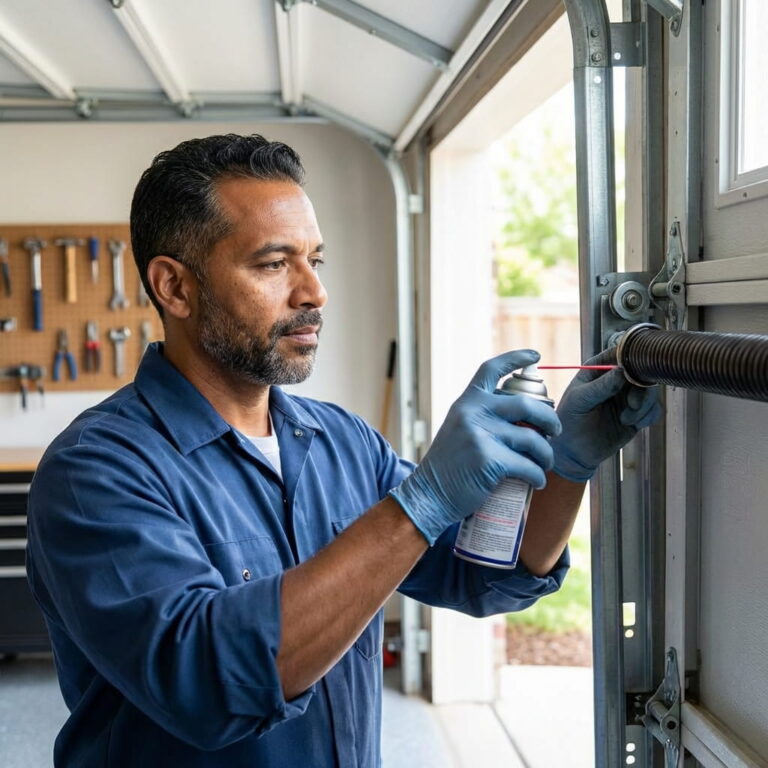
Q: How do I maintain my new springs? A: Once a year, spray the coils with a Silicone-based lubricant (not WD-40). This keeps the coils slippery so they don’t bind and prevents rust from eating into the steel.
Q: Why is my door opening a few inches and then stopping? A: This is a safety feature of your opener. It senses that the door is too heavy (due to a broken spring) and stops lifting to prevent the motor from burning out. Do not force it.
Connect with highly-rated local professionals for rapid service that ensures your system's longevity. Receive complimentary price quotes from trusted garage door providers in your neighborhood. Connect with highly-rated local professionals for rapid service that ensures your system's longevity. Receive complimentary price quotes from trusted garage door providers in your neighborhood.

